Personal loans and credit scores
Does a Personal Loan Affect Your Credit Score in Canada?
It can. A lender’s hard inquiry may affect your score when you apply, and the way a new loan is reported and repaid may influence it later. The result is not a fixed number and no provider can promise a score increase.
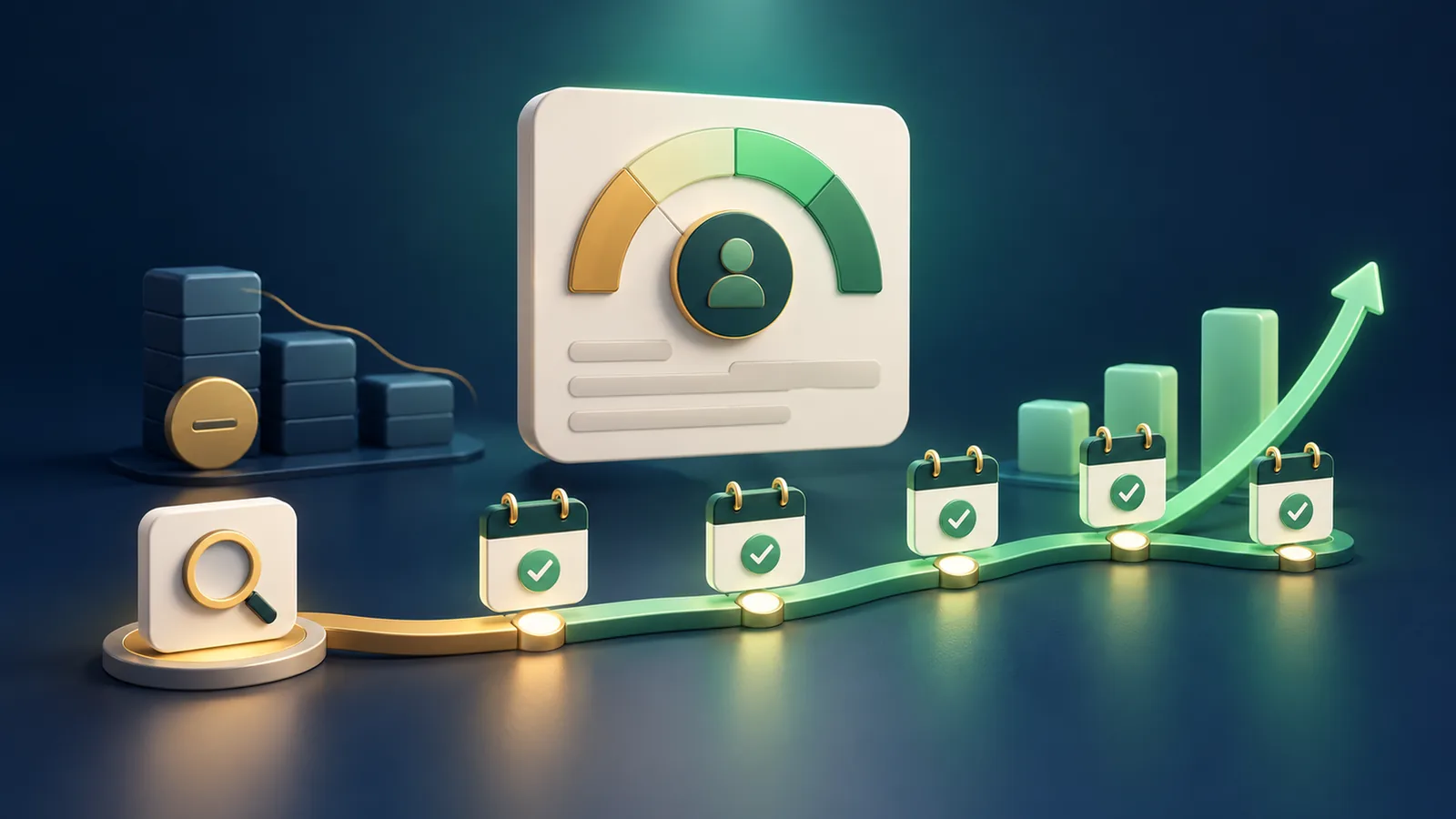
The short answer: there are several separate effects
A personal loan may interact with your credit profile at more than one point. A provider may check your credit during an application. An approved loan may appear as a new account with a balance. Later, reported on-time or missed payments become part of the account history. The balance eventually falls and the account may close.
Those events do not all have the same effect, and credit bureaus and lenders do not disclose every detail of their scoring formulas. The Financial Consumer Agency of Canada (FCAC) says scores change as lenders update credit history. Payment history, debt, recent inquiries, account age and the types of credit used may all be relevant.
Lendari is a comparison and referral platform, not a lender or credit bureau. A comparison request is not a loan agreement and does not guarantee approval, a rate, an amount, funding time or any credit-score result. An independent provider may later request consent for a credit check as part of its own process.
Hard inquiry versus soft inquiry
Hard inquiries may affect a score
FCAC describes a hard inquiry, or hard hit, as a credit check that appears on the credit report and affects the credit score. Credit and loan applications are common examples. Other lenders viewing the report can also see these inquiries.
One inquiry does not have a universal point value. The effect can vary with the rest of the file, and the bureau’s exact formula is not public. Several applications close together may have a greater impact and may suggest urgent credit seeking.
Soft inquiries do not affect a score
A soft inquiry appears only on the consumer-facing version of the report and does not affect the score. Requesting your own credit report is a common example. A company reviewing an existing account to update its records may also make a soft inquiry.
Words such as “check,” “compare,” “pre-qualified” and “application” do not reliably tell you which inquiry will occur. Read the consent text. Ask whether the step uses a hard or soft inquiry, which bureau may be contacted and at what point the check happens.
Does comparing personal-loan options affect credit?
Browsing public rates and educational information does not itself create a loan account. A comparison form and a lender’s full credit application are also not automatically the same step. However, the process after a referral may include a hard inquiry if an independent provider asks for permission and assesses the application.
Before continuing from comparison to application, confirm who will receive the information and whether they may obtain a credit report. Keep a copy of the consent when possible. Do not assume that every “eligibility check” is soft, and do not assume that every provider uses the same process.
FCAC notes a specific rate-shopping treatment for car loans and mortgages: quotes from different lenders within a two-week period are treated by credit bureaus as one inquiry. Its guidance does not extend that statement to every personal-loan application. Avoid sending many full personal-loan applications simply to compare prices.
What may happen after a loan is opened?
A new account can change the file
An approved and accepted personal loan may be reported as a new instalment account. A new account can reduce the average age of credit accounts, while the original amount and current balance add to the credit file. Taking on too much debt may harm a score even if every payment is current.
On-time payments may contribute positive history
FCAC identifies payment history as the most important part of a credit score. Some lenders report personal-loan payments to the credit bureaus. When they do, consistent on-time payments can become positive information and show responsible use of credit.
This is not a guaranteed credit-building result. Reporting practices differ, score formulas consider the entire file, and a loan should not be taken solely to chase points. Interest and fees are real costs.
Late payments may cause longer-lasting harm
Late or missed payments can become negative information. An account sent to collections is more serious. FCAC says information about late or unpaid loans may remain on a credit report for up to six years, subject to applicable rules and bureau practices.
If a payment may be missed, contact the lender before the due date. A payment arrangement is not guaranteed, but early contact may provide more options than waiting until the account is delinquent.
Will paying off a personal loan improve the score?
Paying the agreed balance avoids additional interest and completes the debt obligation. It also reduces total debt. Those are useful financial outcomes, but the score may not rise immediately or by a predictable amount.
The account history can remain on the report after payoff. FCAC says positive information may remain for years, while negative information also has retention periods. Closing an account can also change account mix and average age. The wider file determines the result, so “pay off the loan and gain a specific number of points” is not a responsible promise.
Check that the lender reports the account as paid or closed correctly. If the report contains an error, use the bureau’s dispute process and keep proof of the final payment.
Can a personal loan help by paying off credit cards?
A consolidation loan may reduce revolving card balances, which can change credit utilization. It can also replace several due dates with one instalment payment. That does not make consolidation automatically beneficial.
The new application may create an inquiry, the new loan adds debt, and reusing the cards can leave the borrower with both card balances and a loan. Compare the new annual rate, fees, term and total repayment with the debts being replaced. A lower monthly payment created by a longer term may still cost more overall.
If consolidation is the goal, plan what happens to the repaid card accounts and spending habits. Avoid closing older no-fee accounts automatically without considering account age and available credit, but keep only accounts that can be managed safely.
How to limit unnecessary credit impact
- Get your own credit reports before applying. Checking them yourself does not affect the score.
- Correct inaccurate balances, late payments or accounts you do not recognize.
- Define the amount needed and a payment the budget can handle.
- Compare public information before submitting full applications.
- Ask whether a check is hard or soft and read the consent wording.
- Avoid several personal-loan applications at the same time.
- Provide accurate income, debt and identity information.
- Set payment reminders and keep enough in the account for scheduled debits.
- Contact the lender early if repayment trouble develops.
- Review reports after opening and after repaying the account.
Questions to ask before consenting
- Is this step only a comparison request or a full credit application?
- Will you conduct a hard or soft inquiry?
- Which company and credit bureau will access the report?
- When in the process will the inquiry occur?
- Do you report the loan and payments to both major Canadian bureaus?
- What happens if a payment is late or returned?
- What rate, fees, term and total repayment apply if an offer is made?
A clear answer helps you distinguish an information request from a credit decision. It does not guarantee approval or a particular score effect.
Official Canadian resources
Read FCAC’s guidance on hard and soft inquiries and improving a credit score, how long information stays on a credit report, and personal-loan applications and repayment reporting.
Continue with our guides to applying for a personal loan online, bad-credit personal loans, and rates and total borrowing cost.
Compare before a full application
Start with the amount you need and review any available provider’s credit-consent step, rate, fees, term and total repayment before deciding.
Compare personal-loan options ↗