Personal loan vs debt consolidation
Personal Loan vs Debt Consolidation in Canada: What’s the Difference?
A personal loan can be used to consolidate debt, so these terms are not exact opposites. The useful comparison is between keeping existing accounts, replacing them with a new credit product, or using a non-loan debt solution.
The key distinction
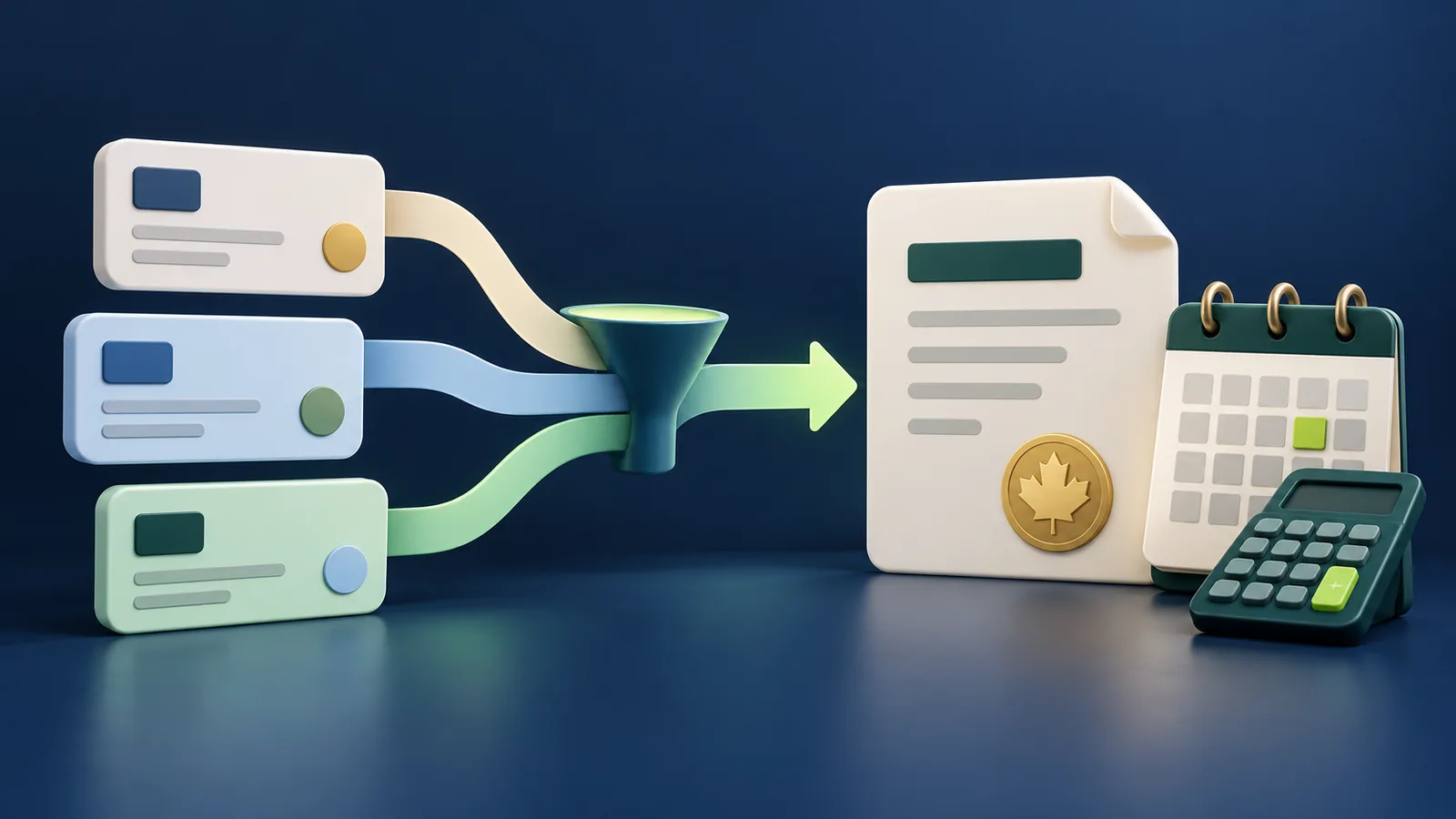
A personal loan is a credit product. You borrow a fixed amount and repay it in instalments over a set period, with interest and any applicable fees. Debt consolidation is a purpose or strategy: combining multiple debts into one product or payment.
In Canada, a personal loan may be used for debt consolidation. Other consolidation products include a dedicated consolidation loan, personal line of credit, home-equity product or credit-card balance transfer. A debt management plan through a credit counsellor also combines payments, but it is not a new loan. A consumer proposal is a formal insolvency process and is different again.
Lendari is a comparison and referral platform, not a lender, credit counsellor or Licensed Insolvency Trustee. A comparison request is not a credit agreement and does not guarantee approval, a lower rate, savings, an amount or funding time. Each independent provider decides eligibility and terms.
How personal-loan consolidation works
If approved, the borrower uses the new loan to pay selected debts. The provider may deposit funds into the borrower’s account or send them directly to existing creditors. The former balances should then be checked to confirm they were paid as expected.
The new loan normally has regular payments, a fixed or variable rate and a set repayment period. One predictable payment can be easier to budget for than several due dates. But the debt has been moved, not forgiven. Using the cleared credit cards again can leave the borrower with both the consolidation loan and new card balances.
Possible benefits
- One payment and one scheduled payoff date may simplify budgeting.
- A lower rate than the debts being replaced may reduce interest cost.
- Fixed instalments can create a clearer repayment path than revolving minimum payments.
- Paying high balances may improve credit utilization over time, provided new balances do not accumulate.
Possible drawbacks
- A longer term can reduce the payment while increasing total interest.
- Origination, administration, optional insurance or early-payment charges may affect the true cost.
- A secured loan can put a home, vehicle or other asset at risk.
- An applicant with weaker credit may receive a rate higher than the debts being replaced or may not qualify.
Compare the old debts with the proposed loan
List every balance, annual rate, minimum payment, fee and expected payoff period. Then compare the proposed loan’s annual rate, APR or cost-of-borrowing disclosure where available, all mandatory fees, payment amount, number of payments and total repayment.
A lower monthly payment is not enough. Suppose existing debts would cost less if repaid aggressively over two years, while a consolidation loan spreads them over five years. The new payment may feel easier, but the extra time can offset a lower rate. Compare both scenarios using the same realistic monthly amount whenever possible.
Also check which debts can be included. Secured debts such as a mortgage or car loan usually require separate treatment. Student loans, tax debts and other obligations can have special rules. Never stop paying an account until the creditor confirms how it will be handled.
Other ways to consolidate debt
Personal line of credit
A line of credit is revolving rather than instalment credit. Interest applies to the amount used, and the rate is normally variable. Minimum payments may cover little principal, so the borrower must create and follow a payoff schedule. Continued borrowing can keep the balance from falling.
Balance-transfer credit card
A promotional balance transfer may offer a low or 0% introductory rate for a limited period, often with a transfer fee. The Financial Consumer Agency of Canada (FCAC) notes that missing a payment may cause the promotional rate to be lost. Calculate how much can actually be repaid before the promotion ends and what rate applies afterward.
Home-equity borrowing
Home equity may provide a lower rate, but it converts unsecured debt into debt secured by the home. Registration, appraisal and legal costs may apply, and missed payments put the property at risk. A lower rate does not remove this larger consequence.
Debt management plans are not consolidation loans
A credit counsellor may propose a debt management plan to participating creditors. The borrower usually makes one payment to the agency, which distributes the money. FCAC explains that these plans often cover credit cards, personal lines of credit and unsecured personal loans, while secured debts generally remain outside the plan.
Creditors may agree to reduce or eliminate interest or extend the repayment period, but they do not have to participate. The borrower usually repays 100% of the covered debt, and the agency may charge setup or administration fees. A counsellor has no legal power to stop collection activity merely by asking.
Before signing, verify the agency’s reputation, itemize every fee, identify every included debt and compare the fees with expected interest savings. Ask for regular statements showing that creditors receive payments on time.
Debt settlement and consumer proposals are different
Debt settlement companies may offer to negotiate a partial repayment, often for a fee. Results are not guaranteed, creditors may continue collection, and regulation varies by province or territory. Treat claims about instant relief, credit repair or guaranteed reductions with caution.
A consumer proposal is a formal process under the Bankruptcy and Insolvency Act. It is prepared and filed through a Licensed Insolvency Trustee. It may change the amount or timing of unsecured debt and has material legal and credit consequences. A comparison form or ordinary lender cannot provide a consumer proposal. People who cannot meet their obligations should consult qualified, regulated help rather than taking a new loan solely to delay a deeper problem.
Credit-score considerations
Requesting quotes or applying may involve credit checks. FCAC warns that applying with several lenders over a short period may lower a credit score. Ask whether an initial comparison uses a soft or hard check and when consent for a hard inquiry is requested.
After consolidation, payment history and balances still matter. On-time payments and lower revolving balances can help over time, while missed payments and new borrowing can hurt. Closing every older account may also change the length and mix of the credit history. Credit outcomes depend on the full file and cannot be guaranteed.
A practical decision checklist
- Does the new product include the debts you intend to repay?
- Is its effective rate lower after all mandatory fees?
- Is total repayment lower at a realistic payoff speed?
- Is the rate fixed or variable, and can the payment rise?
- Is any asset pledged as collateral?
- Will the old accounts be closed, reduced or left available?
- Can the budget support the payment without using credit again?
- If the payment remains unaffordable, have you compared credit counselling or advice from a Licensed Insolvency Trustee?
When each path may fit
A personal consolidation loan may be worth comparing when income can support the payment, the new total cost is lower and the borrower has a plan to avoid rebuilding balances. Keeping the existing debts may be reasonable when they already have lower rates, can be repaid quickly or would trigger costly fees to move.
A debt management plan may warrant discussion when the person can repay the principal but needs one payment and possible interest relief. Formal insolvency advice may be more appropriate when debts cannot be repaid within a realistic budget. An initial conversation with a reputable credit counsellor or Licensed Insolvency Trustee can clarify options; it is not the same as signing an agreement.
Reliable Canadian resources
Use FCAC’s current guides to debt consolidation, credit counselling and debt management plans, and personal loans. For formal insolvency options, consult the federal Office of the Superintendent of Bankruptcy.
Continue with our guides to rates and total borrowing cost, secured vs unsecured loans, and preparing an online loan request.
Compare the cost before moving debt
Review any available option’s rate, fees, term, total repayment and collateral. A lower payment alone does not establish savings.
Explore comparison options ↗