Choosing the right borrowing structure
Personal Loan vs Line of Credit in Canada
A personal loan provides one amount with scheduled instalments. A line of credit lets you borrow repeatedly up to a limit. The better fit depends on the expense, repayment discipline and tolerance for changing rates.
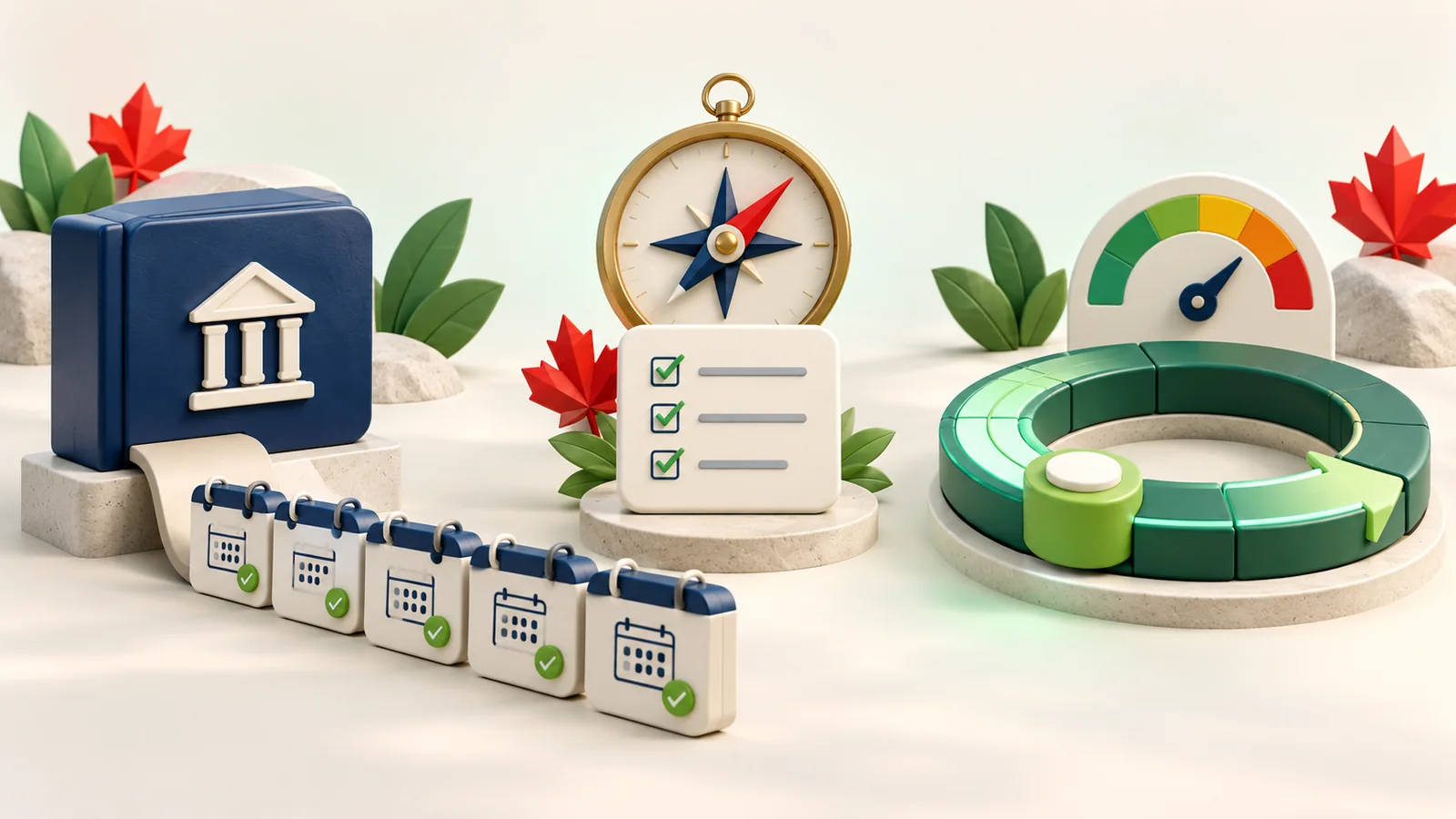
The core difference
A personal loan is generally a fixed amount advanced once and repaid through regular instalments over an agreed term. Each payment reduces the debt according to the agreement, and the account normally reaches zero by the end if every payment is made.
A personal line of credit is revolving credit. The lender approves a limit, the borrower draws only what is needed, and repaid principal may become available again. Interest is charged on the amount used, usually from the day it is withdrawn. The rate is commonly variable.
Lendari is a comparison and referral platform, not a lender. Completing a form is not a loan agreement and does not guarantee approval, an amount, a rate or funding speed. Personal lines of credit are explained here for comparison; Lendari’s primary comparison form concerns personal-loan options from independent providers.
Quick comparison
- Borrowing: a loan advances one defined amount; a line provides reusable access up to a limit.
- Payments: a loan usually has scheduled instalments; a line has a minimum payment that may not reduce principal quickly.
- Rate: a loan may be fixed or variable; a line is usually variable.
- Payoff: a loan has an expected end date; a line can remain open indefinitely.
- Interest: a loan may charge interest on the full amount advanced; a line charges interest on the amount drawn.
- Spending control: a loan limits borrowing to the original amount; a line can make repeated borrowing easier.
When a personal loan may fit
A personal loan can be easier to plan around when the cost is known: a repair estimate, a defined purchase or a specific consolidation amount. The borrower can compare the payment, term and total repayment before accepting.
The scheduled end date is useful for someone who wants a clear path out of debt. It also reduces the temptation to draw the same money again after repaying part of the balance. However, borrowing more than needed means paying interest on money that may sit unused.
Review whether the loan is secured or unsecured, whether the rate can change, and whether extra payments or early payoff carry a fee.
When a personal line of credit may fit
A line of credit can suit an expense whose timing or final amount is uncertain. Interest applies only to the amount used, and the borrower can draw additional funds later without applying for a new instalment loan each time, as long as credit remains available and the account remains in good standing.
That flexibility creates risk. Easy access can turn a temporary balance into persistent debt. The Financial Consumer Agency of Canada (FCAC) notes that a monthly minimum is often equal to the interest. Paying only interest means the principal never disappears.
A line also exposes the borrower to rate changes. If the variable rate rises, interest costs and the amount required to reduce the balance increase. A plan based only on today’s minimum may fail to repay the debt.
Compare repayment, not just the advertised rate
FCAC says a line of credit usually has a lower rate than a credit card or personal loan. “Usually” is not a promise for a particular applicant, and a lower rate does not guarantee a lower final cost. The result depends on the balance, rate changes, fees and how long the debt remains outstanding.
For a personal loan, multiply the regular payment by the number of payments and add any amount due outside the schedule. For a line, test a payment that reduces principal every month—not merely the minimum—and estimate how the cost changes if the rate rises.
Compare our detailed guide to personal-loan rates, fees and total borrowing cost. Use the same amount and a realistic payoff period for both products.
Fixed structure versus flexible access
Structure can be valuable. A borrower who needs C$8,000 once and wants it gone within three years may prefer a loan with a known schedule. Someone managing several stages of a renovation may value drawing only as invoices arrive.
Ask what happens after the original need is met. If available credit is likely to be reused for everyday spending, the line can undermine the repayment plan. If the expense may increase unexpectedly, a loan could require a second application. The right product matches both the expense and the borrower’s habits.
Secured and unsecured versions
Both products can be secured or unsecured. With secured credit, an asset supports the debt. The rate may be lower, but missed payments can place the asset at risk. A home equity line of credit uses a home as security and is materially different from an unsecured personal line.
Do not pledge an asset simply to obtain a lower rate without understanding enforcement rights, registration costs and discharge requirements. Our comparison here focuses on general structure, not legal advice about a particular security agreement.
Eligibility and credit checks
Providers may consider income, existing debts, credit report and score. FCAC notes that financial institutions commonly require a minimum household income for a line of credit. Approval standards, limits and pricing vary.
Applying may involve a hard credit inquiry with consent. Reading public information or comparing product features does not itself create a credit account. Before submitting a full application, ask what type of inquiry occurs and when. Our guide explains how personal-loan applications and repayments may affect credit.
Questions to ask before choosing
- Is the expense one-time, recurring or uncertain?
- What amount is actually needed?
- Is the rate fixed or variable, and what changes it?
- What fees apply when opening, using or closing the account?
- How much must be paid to clear the balance by a target date?
- Can more money be borrowed after principal is repaid?
- Is any asset pledged as security?
- What happens after a late or missed payment?
- Will payments be reported to Canadian credit bureaus?
- Can the budget handle a higher variable rate?
Example decision paths
Known one-time cost
A borrower has a firm invoice and wants equal payments with a defined finish. A personal loan may provide the clearer structure, subject to the actual cost and approval.
Expense arrives in stages
A borrower expects several uncertain invoices and can repay aggressively between them. A line of credit may avoid borrowing the full estimated amount on day one, but only if withdrawals and principal repayment are controlled.
Debt consolidation
Either product can move higher-cost balances, but neither fixes overspending. A line that stays available can be redrawn; a loan has a fixed schedule but may carry a higher rate. Compare the new total cost and read our guide to personal loans and debt consolidation.
Frequently asked questions
Is a personal loan better than a line of credit?
Neither is always better. A loan may fit a known cost and fixed payoff plan. A line may fit uncertain needs when the borrower can control draws and repay more than the minimum.
Which usually has a lower interest rate?
FCAC says a line of credit usually has a lower rate than a credit card or personal loan. Actual pricing varies, and the line’s rate is usually variable.
Can paying only the minimum clear a line of credit?
Not necessarily. The minimum may be mostly or entirely interest. If no principal is paid, the debt does not decline.
Does comparing these products guarantee approval?
No. Comparison is not an agreement. Independent providers decide approval, limits, rates and terms after their assessment.
Official Canadian resources
Read FCAC’s guides to personal loans, lines of credit, minimum payments and variable rates, and choosing financial products for expenses and emergencies.
Compare personal-loan options
If a fixed personal loan fits your need, compare any available provider’s rate, fees, term and total repayment before deciding.
Compare personal-loan options ↗